
Trauma has a profound impact on the mind and body, often shaping how people think, feel, and interact with the world long after the original event. For many, unresolved trauma can manifest as anxiety, depression, substance use, relationship struggles, or chronic health conditions. At the same time, roughly 4 million adults worldwide will experience a trauma event in their lifetime. Traditional therapy can help, but if it doesn’t recognize the role trauma plays, treatment may unintentionally feel unsafe or ineffective. That’s where trauma-informed therapy comes in.
What Is Trauma-Informed Therapy?
Trauma-informed therapy isn’t a single type of treatment—it’s an approach. It recognizes that past trauma may influence a person’s present behaviors, emotions, and health. Rather than asking, “What’s wrong with you?” a trauma-informed therapist asks, “What happened to you?”
This shift helps create a safe, compassionate environment where individuals don’t feel judged or blamed. The goal is to avoid re-traumatization while building trust and empowering people to regain control of their lives.
Core Principles of Trauma-Informed Therapy
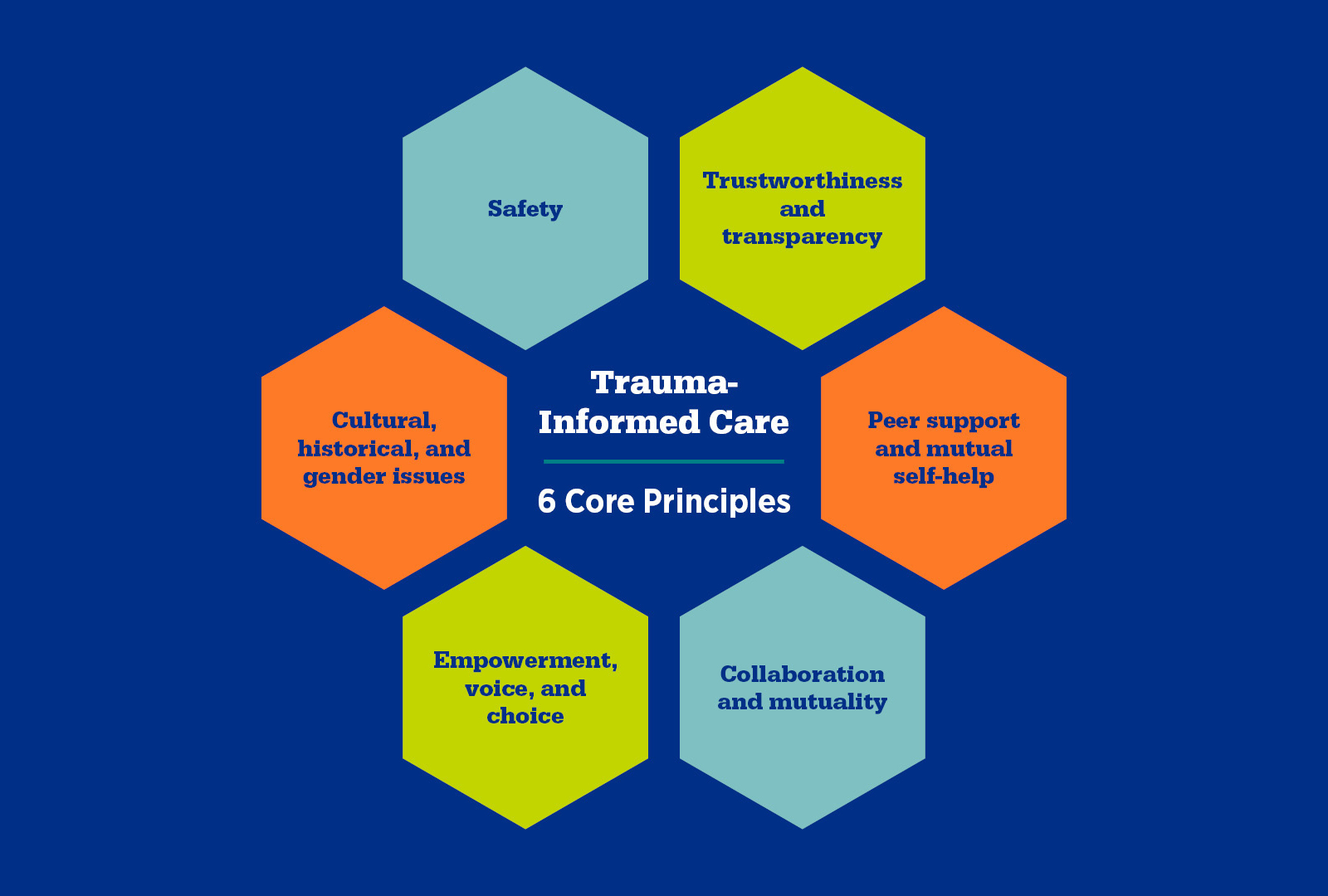
The Substance Abuse and Mental Health Services Administration (SAMHSA) outlines six key principles:
- Safety: Ensuring both physical and emotional safety during therapy.
- Trustworthiness and Transparency: Building honest, open communication.
- Peer Support: Recognizing the value of shared experiences in healing.
- Collaboration and Mutuality: Therapist and client work together as equals.
- Empowerment, Voice, and Choice: Respecting the individual’s autonomy and strengths.
- Cultural, Historical, and Gender Awareness: Being sensitive to cultural, societal, and personal factors that shape trauma.
How Trauma-Informed Therapy Works
While different therapists may use various evidence-based practices, trauma-informed care shapes how those practices are delivered. For example:
- Cognitive Behavioral Therapy (CBT): Adapted to identify trauma-related thought patterns.
- Eye Movement Desensitization and Reprocessing (EMDR): Helps the brain process and reframe traumatic memories.
- Somatic Experiencing: Focuses on how trauma is stored in the body and helps release physical tension.
- Group Therapy: Offers community and validation while carefully structured to avoid triggering participants.
In all cases, the therapist prioritizes creating a sense of safety, respects boundaries, and empowers clients to guide their own pace of healing.
Who Can Benefit?
Anyone who has experienced trauma—whether a single incident or chronic stress over time—may benefit. Common sources include:
- Childhood abuse or neglect
- Domestic violence
- Sexual assault
- Combat or war experiences
- Natural disasters or accidents
- Systemic oppression or racism
- Medical trauma
Even people who don’t identify a “specific” traumatic event may find this approach helpful if they’ve struggled with overwhelming stress, emotional triggers, or difficulty trusting others.
Why Trauma-Informed Therapy Matters
Without a trauma-informed lens, therapy can sometimes feel re-traumatizing. For instance, being asked to talk about painful events before feeling safe may trigger intense emotional distress. Trauma-informed therapy prevents this by respecting readiness, pacing, and control.
It also reduces stigma. Many survivors carry shame or guilt, but this approach emphasizes resilience and the fact that trauma responses are normal, human reactions to abnormal circumstances.
Finding a Trauma-Informed Therapist
If you’re considering therapy, it’s okay to ask potential providers about their training and approach. Questions you might ask include:
- Do you use trauma-informed practices in your work?
- How do you make sure clients feel safe?
- What therapies do you use for trauma recovery?
Resources such as the Psychology Today therapist directory or local mental health clinics often list providers who specialize in trauma.
Final Thought
Healing from trauma is not about erasing the past—it’s about building a future where the past no longer controls you. Trauma-informed therapy provides a compassionate, safe framework for recovery, empowering individuals to process their experiences, rebuild trust, and reclaim their lives.
About Celadon Recovery
Celadon is comprehensive addiction and mental health treatment center located along the shores of the Caloosahatchee River in Fort Myers, Florida. With a full-continuum of care including detox, residential, and outpatient programs, we are committed to quality substance use and co-occurring disorder care. Call us today at 239-266-2141.
