
Addiction recovery is not a quick fix—it’s a lifelong journey that often requires more than short-term solutions. While 30-day programs can help individuals achieve initial sobriety, research consistently shows that long-term addiction treatment, particularly 90-day rehab programs, significantly increases the chances of lasting recovery.
Unfortunately, less than half of the people who enter treatment for drug and alcohol use complete it. Typically, this means leaving against medical advice. By allowing more time for physical healing, emotional growth, and behavioral change, extended programs address not just the symptoms of substance use disorder but also the root causes that fuel it.
Why Short-Term Care Is Often Not Enough
Addiction changes brain chemistry, decision-making, and coping mechanisms over time. While detox and short inpatient stays can stabilize someone in the early stages, they may not provide enough time to develop healthy routines, address co-occurring mental health conditions, or build relapse prevention skills. Without these tools, the risk of relapse after leaving treatment increases.
Why 90-Day Rehab Works
Time to Heal the Brain
Substance abuse disrupts the brain’s reward and decision-making systems. A 90-day program provides the extended time needed for the brain to start repairing itself, leading to clearer thinking and better emotional control.
Stronger Habit Replacement
It takes more than a few weeks to replace harmful behaviors with healthy ones. Ninety days in a structured environment allows clients to practice and reinforce new routines until they become second nature.
Deeper Therapy and Self-Discovery
Short programs often focus on stabilization. In a 90-day model, there is enough time to dive into trauma, anxiety, depression, or family issues—getting to the root of addiction rather than just treating the surface symptoms.
Relapse Prevention Skills
A gradual and extended learning process gives clients the opportunity to master coping strategies, test them in real-life scenarios during treatment, and build confidence in their ability to maintain sobriety. Over three months, relationships with peers and staff grow stronger. These connections often become a critical source of accountability and encouragement long after treatment ends.
Better Treatment Outcomes
According to the NIDA, programs lasting at least 90 days are strongly associated with higher rates of sustained sobriety, healthier relationships, and improved quality of life.
Tailored Recovery Plans in Long-Term Treatment
Long-term treatment is not one-size-fits-all. Programs can be customized based on progress, with therapy approaches, group support, and living arrangements adjusted as needed. This may include extended inpatient care, intensive outpatient programs, or sober living environments—offering a continuum of care that supports each stage of recovery.
Transitioning Back to Daily Life
One of the strengths of 90-day and other long-term programs is their ability to ease individuals back into daily life. Step-down levels of care, such as outpatient programs or transitional living, help prevent the shock of going from a structured rehab environment straight into the pressures of everyday responsibilities. Long-term addiction treatment is not just about staying in rehab longer—it’s about creating a sustainable recovery lifestyle. By investing the time to heal physically, mentally, and emotionally, individuals set the stage for a healthier, more fulfilling future free from addiction.
Bottom line
Recovery takes time. A 90-day rehab program offers the structure, support, and skill-building necessary to create lasting change—proving that in addiction treatment, more time can mean more life.
About Celadon Recovery
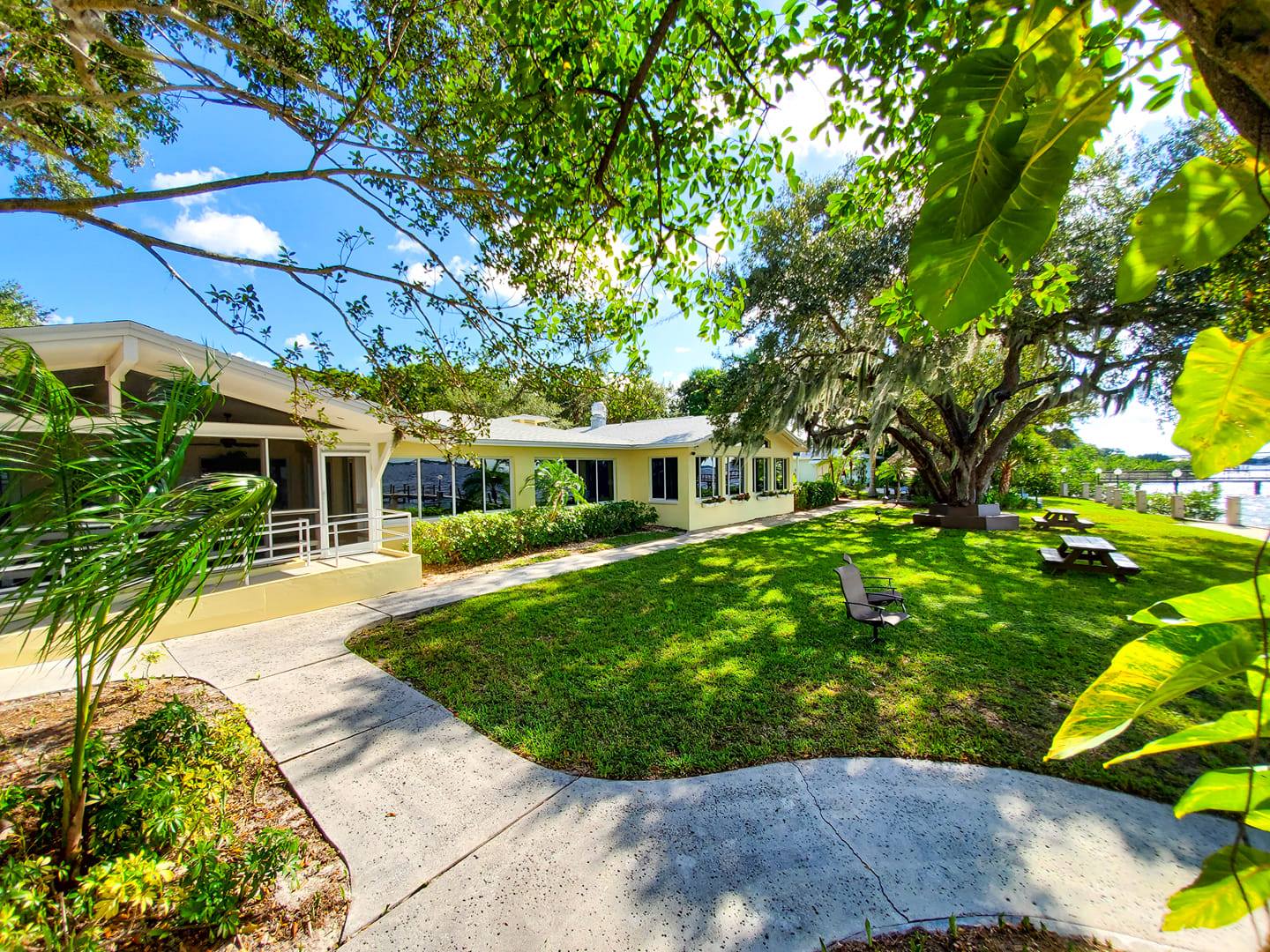
Celadon is comprehensive addiction and mental health treatment center located along the shores of the Caloosahatchee River in Fort Myers, Florida. With a full-continuum of care including detox, residential, and outpatient programs, we are committed to quality substance use and co-occurring disorder care. Call us today at 239-266-2141.
