
Many veterans carry invisible wounds long after service—primarily Post‑traumatic stress disorder (PTSD), traumatic brain injury (TBI), depression, anxiety and often substance misuse. Traditional treatments help many, but a significant number continue to struggle, seeking alternatives. Recently, ibogaine—a psychedelic compound derived from the African shrub Tabernanthe iboga—has drawn attention as a potential “reset” tool for veterans with PTSD and TBI.
Here is an overview of what the research is showing, what we don’t yet know, and the special considerations for veterans.
What is Ibogaine?
- Ibogaine is a naturally-occurring psychoactive alkaloid found in the root bark of the shrub Tabernanthe iboga, used in West and Central African traditional ceremonies.
- It’s thought to act on multiple neurotransmitter systems (including NMDA, opioid, dopaminergic and more), and to promote neuroplasticity (the brain’s ability to reorganize and form new connections).
- In America., ibogaine is classified as a Schedule I substance. It is NOT allowed as a medical treatment. However, most Americans travel to Mexico to Ibogaine clinics readily available. At the same time, there are a number of promising clinical studies.
A Closer Look at Ibogaine Research
- Many veterans, especially those exposed to combat, blasts, multiple deployments, or specialized operations (e.g., special forces), live with PTSD + TBI + depression + anxiety + often substance misuse. Conventional treatments may not fully resolve this complex mix.
- Mexico City studies indicate large decreases in PTSD, depression and anxiety symptoms, and strong improvements in cognitive/functional measures.
- These outcomes are quite dramatic compared to many standard therapies—though observational, not yet full randomized controlled trials.
- Evidence of quick onset of effect—far more immediate than many standard therapies for chronic PTSD.
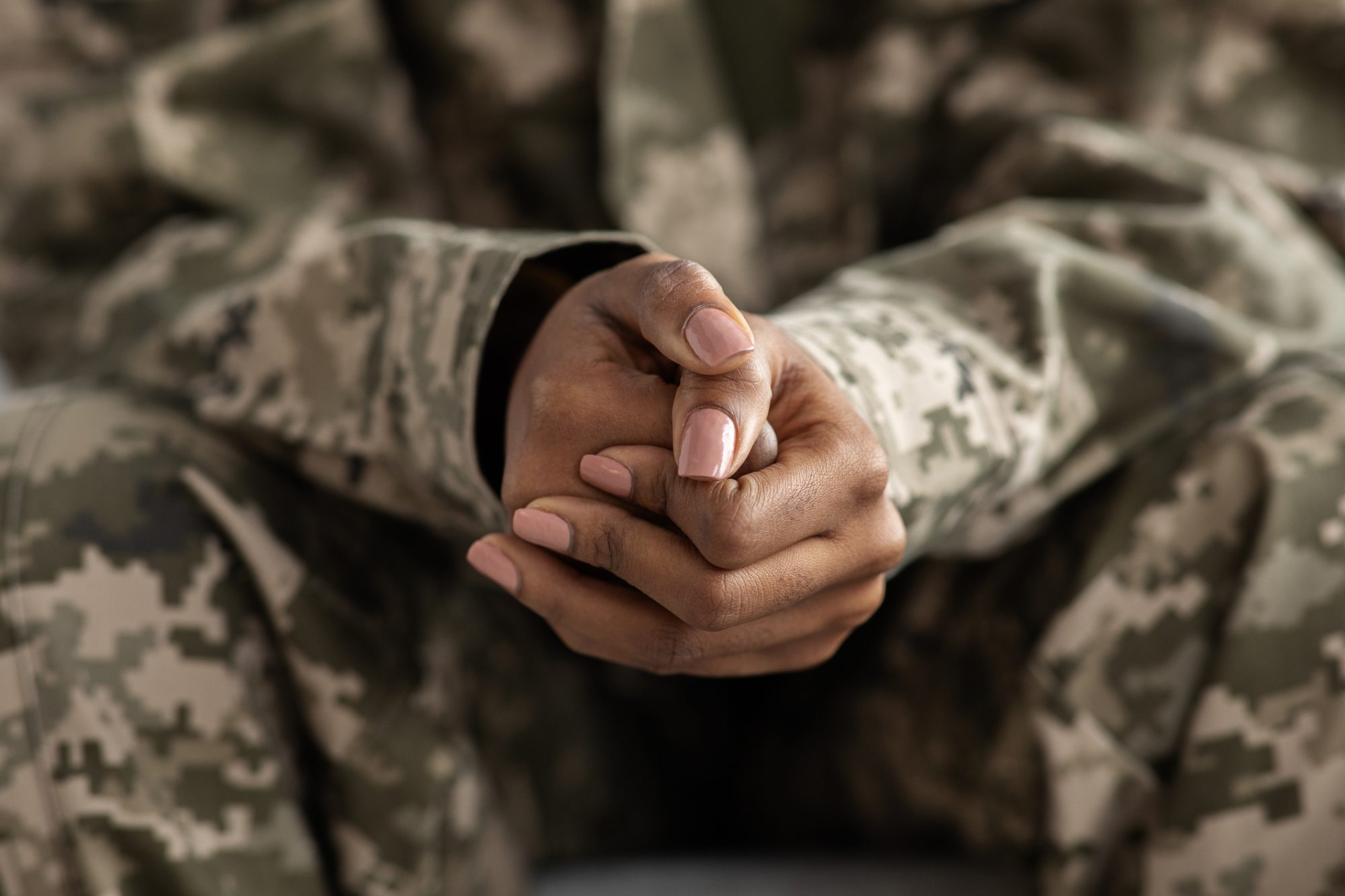
What This Means for Veterans with PTSD
For those with PTSD + TBI who have not found relief in standard therapies, ibogaine represents a promising avenue worth watching and investigating. The possibility of a “one-and-done” (or few dose) type intervention is attractive—especially for those exhausted by years of daily medications and therapy without full relief. At the same time, there may be gains not only in emotional/psychiatric symptoms but also cognitive functioning and day-to-day life participation.
Ibogaine is not yet an FDA-approved standard treatment for PTSD. Participation often means travelling to another country, paying out-of-pocket, and undertaking risk. Cardiac screening and medical supervision are also essential. Not all clinics abroad are equal; ensure safety protocols. Because of the legal status and novel nature, No private or public health insurance will cover any treatment or transportation expenses. While the initial statistics are exciting, we don’t yet know long‐term durability, who will respond best, or full safety profile across diverse veteran populations.
Things to Consider if Seeking Ibogaine Therapy Abroad
Research the latest developments: Institutions like Stanford and other academic centers are publishing more data.
Talk with your providers: Let your VA or mental health clinician know you’re exploring this; they may help monitor, prepare you, or flag risk factors (e.g., heart disease, medications).
Ask about continuing care: If you pursue out-of-country treatment, ensure you have a plan for follow-up therapy and community/support. The psychedelic experience alone isn’t the full therapy course.
Legal/financial planning: Because U.S. access is limited, many veterans travel abroad; this means cost, travel logistics, liability considerations.
Safety first: Get medically screened (prior) for cardiac issues, medications, physical health. Only consider Ibogaine clinics with demonstrated medical oversight.
Keep it real: Somehow hope and caution must coexist. This is promising, not yet universally proven.
Final Thought
For veterans grappling with PTSD, TBI, depression, anxiety and the immense burden of invisible wounds, ibogaine treatment holds real promise—especially in cases where conventional therapies have fallen short. The early data (such as from the Stanford Medicine study) is impressive: sizable symptom reductions, functional improvements, cognitive gains. In the end, more regulated clinical trials, longer-term follow-up, and broader safety/efficacy data are needed.
About Celadon Recovery
Celadon is comprehensive addiction and mental health treatment center located along the shores of the Caloosahatchee River in Fort Myers, Florida. With a full-continuum of care including detox, residential, and outpatient programs, we are committed to quality substance use and co-occurring disorder care. Call us today at 239-266-2141.
