
Florida virtual mental health treatment offers convenience, privacy, and expanded access — but it’s not a full replacement for in-person care. While it was necessary during the pandemic, most states and Federal guidelines have returned to more restrictive policies (for all the right reasons). At the same time, some telehealth providers are not adhering to policy with minimum resources for enforcement.
However, mental telehealth works best for mild to moderate conditions and for ongoing therapy, but less so for crisis stabilization or complex medication management. Here’s the things to look for in choosing a Florida virtual mental health provider.
Licensing & Legitimacy
- The provider won’t share their Florida license number or professional credentials.
- The provider’s name doesn’t appear in the Florida Department of Health’s license lookup (flhealthsource.gov/telehealth).
- The provider claims to be licensed “nationally” or “federally,” but not specifically in Florida — which is not valid under state law.
- The provider says they can treat you while you’re in Florida without registering under Florida’s telehealth law (§ 456.47, F.S.).
- The provider cannot explain how they handle emergencies or local crisis protocols (e.g., contacting 911 in your area).
Prescribing & Medication Concerns
- A provider offers to prescribe controlled substances (like stimulants, benzodiazepines, or opioids) without an evaluation or diagnosis.
- The provider claims they can prescribe Schedule II drugs (e.g., Adderall, Ritalin) for any reason via telehealth — this is only legal for specific psychiatric or inpatient scenarios in Florida.
- They do not require video visits for prescribing psychiatric medication (Florida law expects real-time, interactive encounters).
- Prescriptions are sent from an out-of-state pharmacy with no Florida registration.
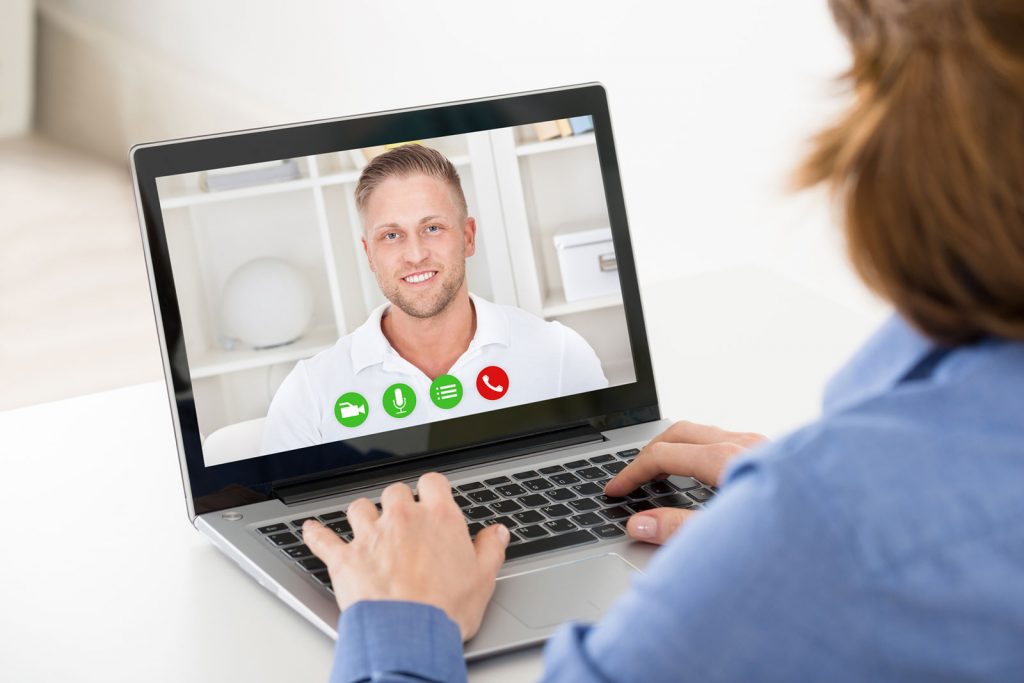
Telehealth Privacy & Security Issues
- The session is conducted through non-secure platforms (e.g., Zoom, FaceTime, WhatsApp) with no HIPAA compliance notice.
- The provider doesn’t give a consent form or privacy policy explaining how your health data is stored or protected.
- There’s no explanation of what happens if your connection drops or a safety issue arises during the session.
Clinical & Professional Red Flags
- The therapist or psychiatrist doesn’t conduct an intake or assessment before treatment begins.
- You’re never asked for identification or your physical location (required to determine jurisdiction).
- The provider promises a “cure” or guaranteed results — unethical and unrealistic.
- Sessions feel rushed, unstructured, or sales-driven (e.g., upselling “packages” before discussing your needs).
- There is no treatment plan, documentation, or follow-up expectations shared with you.
Payment & Insurance Issues
- Typically, you’re asked to pay online for initial and ongoing fees. Make sure to attain a detailed receipt.
- Most providers DON’T accept major insurance, Medicaid, or Medicare.
- Claims that telehealth visits are “always cheaper” or “don’t need insurance” — sometimes true, but often a sign of unregulated or out-of-network providers.
- The provider won’t discuss appointment cancellation or refund policies in writing.
Quality Telehealth Provider Indicators
- Florida license or registration is easy to verify online.
- Provider uses a HIPAA-secure platform and clear consent forms.
- You receive written information about treatment, privacy, emergency plans, and your rights.
- Provider is transparent about what can and can’t be done virtually (e.g., controlled-substance limits).
- Clear contact information, credentials, and billing policies are posted and consistent.
Final Thought
Telehealth is the delivery of healthcare — including mental health services — through secure video or phone technology instead of in-person visits. It improves access, convenience, and privacy, making therapy and medication management easier to reach, especially in rural or underserved areas. However, it has limitations: not all conditions can be treated remotely, reliable technology and privacy are required, and laws restrict certain prescriptions and out-of-state practice. Overall, telehealth is a safe, effective option for many people when used within proper clinical and legal guidelines.
About Celadon Recovery
Celadon is comprehensive addiction and mental health treatment center located along the shores of the Caloosahatchee River in Fort Myers, Florida. With a full-continuum of care including detox, residential, and outpatient programs, we are committed to quality substance use and co-occurring disorder care. Call us today at 239-266-2141.
