
Combining alcohol with prescription medications may seem harmless to some, especially when the medications are legally obtained and taken as prescribed. However, the interaction between alcohol and prescription drugs is one of the most dangerous—and preventable—health risks. In a National Institute (NIH) study, about 42% of adult Americans report using one or more prescription medicines known to interact with alcohol. This combination can intensify side effects, impair critical body functions, and, in some cases, lead to life-threatening consequences. Understanding why alcohol and prescription drugs don’t mix is essential for protecting your health and safety.
Why Alcohol and Prescription Drugs Don’t Mix
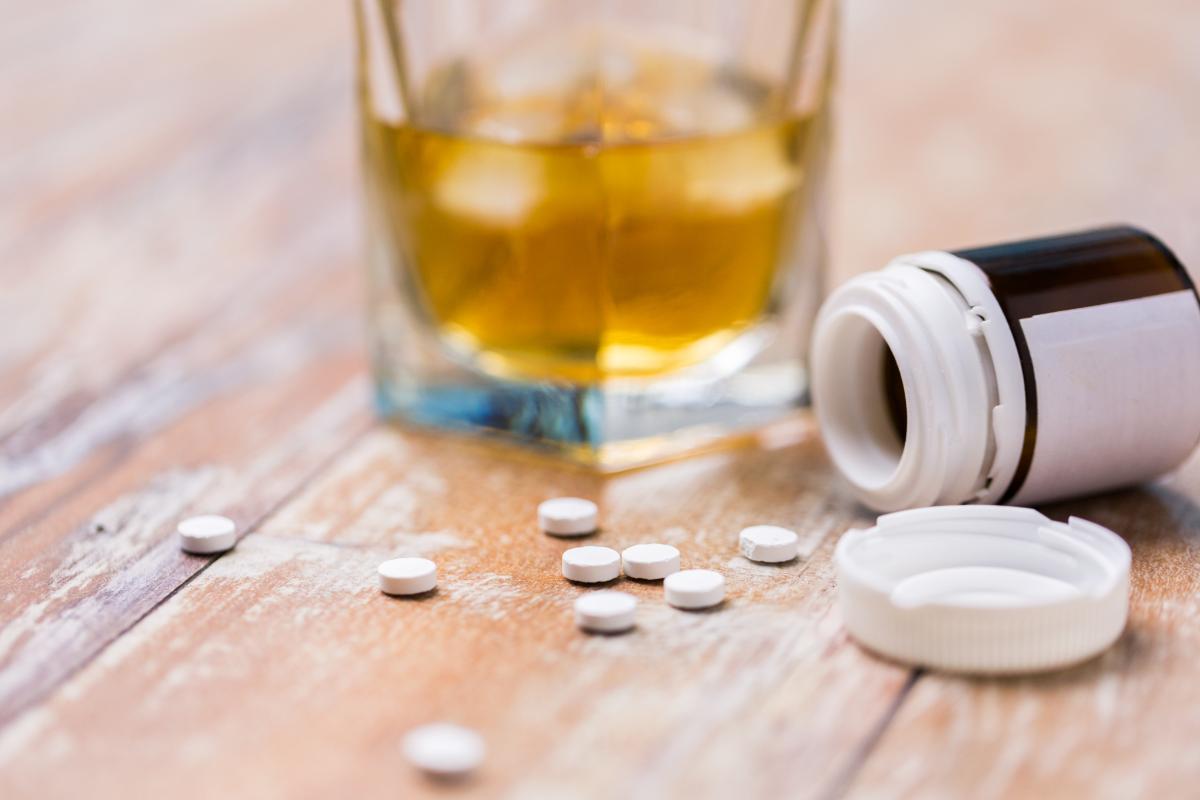
Alcohol is a central nervous system (CNS) depressant. Many prescription medications, including painkillers, anti-anxiety drugs, antidepressants, and sleep aids, also act on the CNS. When combined, these substances can amplify each other’s effects, resulting in slowed breathing, lowered heart rate, reduced coordination, and impaired judgment. Even small amounts of alcohol can drastically alter how a prescription drug works in the body.
Common Medications That Interact with Alcohol
- Opioid painkillers (like oxycodone, hydrocodone, or morphine): The combination can lead to severe respiratory depression, coma, or death.
- Benzodiazepines (like Xanax, Valium, or Ativan): Increased risk of sedation, memory loss, and dangerous drops in blood pressure.
- Antidepressants (like SSRIs and MAOIs): Alcohol can worsen depression, increase drowsiness, and cause unpredictable side effects.
- Antihistamines (like diphenhydramine): Heightened drowsiness and impaired coordination, which can be dangerous when driving.
- Sleep aids (like zolpidem or eszopiclone): Mixing with alcohol greatly increases the risk of blackouts and slowed breathing.
How the Body Reacts
Your liver is the primary organ responsible for metabolizing both alcohol and many prescription drugs. When both substances are in the system, the liver can become overwhelmed, leading to toxic levels of medication or alcohol circulating in the blood. This can trigger overdose-like symptoms even when the prescribed dose of the medication is taken.
Furthermore, alcohol can interfere with how drugs are absorbed in the stomach or intestines. For example, it may cause certain medications to be absorbed too quickly, intensifying their effects, or too slowly, reducing their effectiveness.
Short-Term and Long-Term Risks
Short-Term Dangers
- Extreme drowsiness or dizziness
- Nausea and vomiting
- Loss of coordination, increasing the risk of falls or accidents
- Slowed or stopped breathing
- Unconsciousness or coma
Long-Term Consequences
Regularly combining alcohol with prescription drugs can damage the liver, kidneys, and heart. It can also increase tolerance to both substances, creating a cycle of dependence and, in some cases, addiction. Mental health often deteriorates as well, with worsened depression, anxiety, and cognitive impairment.
Special Considerations for Older Adults
Older adults are particularly vulnerable because their bodies metabolize alcohol and medications more slowly. Many seniors take multiple prescriptions, raising the likelihood of dangerous interactions. Even a single glass of wine or beer can lead to serious complications when combined with certain medications.
Prescription Drug Safety
- Read warning labels on all prescription bottles. Many will explicitly advise against alcohol consumption.
- Ask your healthcare provider or pharmacist about alcohol interactions with your medications—even over-the-counter ones.
- Don’t mix even small amounts of alcohol with medications that list alcohol as a risk factor.
- Be honest with your doctor about your alcohol use so they can safely prescribe medications.
- Have an emergency plan: If you or someone else experiences trouble breathing, confusion, or loss of consciousness after mixing substances, call 911 immediately.
Last Word
Mixing alcohol with prescription drugs is not worth the risk. Even small amounts of alcohol can turn routine medications into a lethal combination. By understanding the dangers and taking preventive measures, you can protect yourself and your loved ones from serious harm.
About Celadon Recovery
Celadon is comprehensive addiction and mental health treatment center located along the shores of the Caloosahatchee River in Fort Myers, Florida. With a full-continuum of care including detox, residential, and outpatient programs, we are committed to quality substance use and co-occurring disorder care. Call us today at 239-266-2141.
