
In recent years, a little-known drug called tianeptine has been making headlines under a troubling nickname: “gas station heroin.” While it’s not approved as a medication in America, tianeptine is often sold in convenience stores, vape shops, and online—marketed as a dietary supplement or brain booster. Its growing availability has sparked concern among doctors and communities across the country, including Florida.
What Is Tianeptine?
Tianeptine is an antidepressant that was first developed in France in the 1960s. In some European, Asian, and Latin American countries, it’s prescribed to treat depression and anxiety. It works differently than most antidepressants: instead of only acting on serotonin, it also affects the brain’s opioid receptors.
This opioid-like activity is the reason tianeptine can be addictive—and why some people misuse it for its euphoric effects.
Why the Nickname “Gas Station Heroin”?
Unlike tightly controlled prescription opioids, tianeptine has slipped through regulatory gaps in the U.S. Because it isn’t federally scheduled, it can sometimes be sold openly in gas stations, smoke shops, and online under brand names like Neptune’s Fix or ZaZa Red. The term “gas station heroin” comes from reports of users experiencing withdrawal symptoms similar to heroin or prescription painkillers. These can include nausea, sweating, insomnia, anxiety, depression, and intense drug cravings.
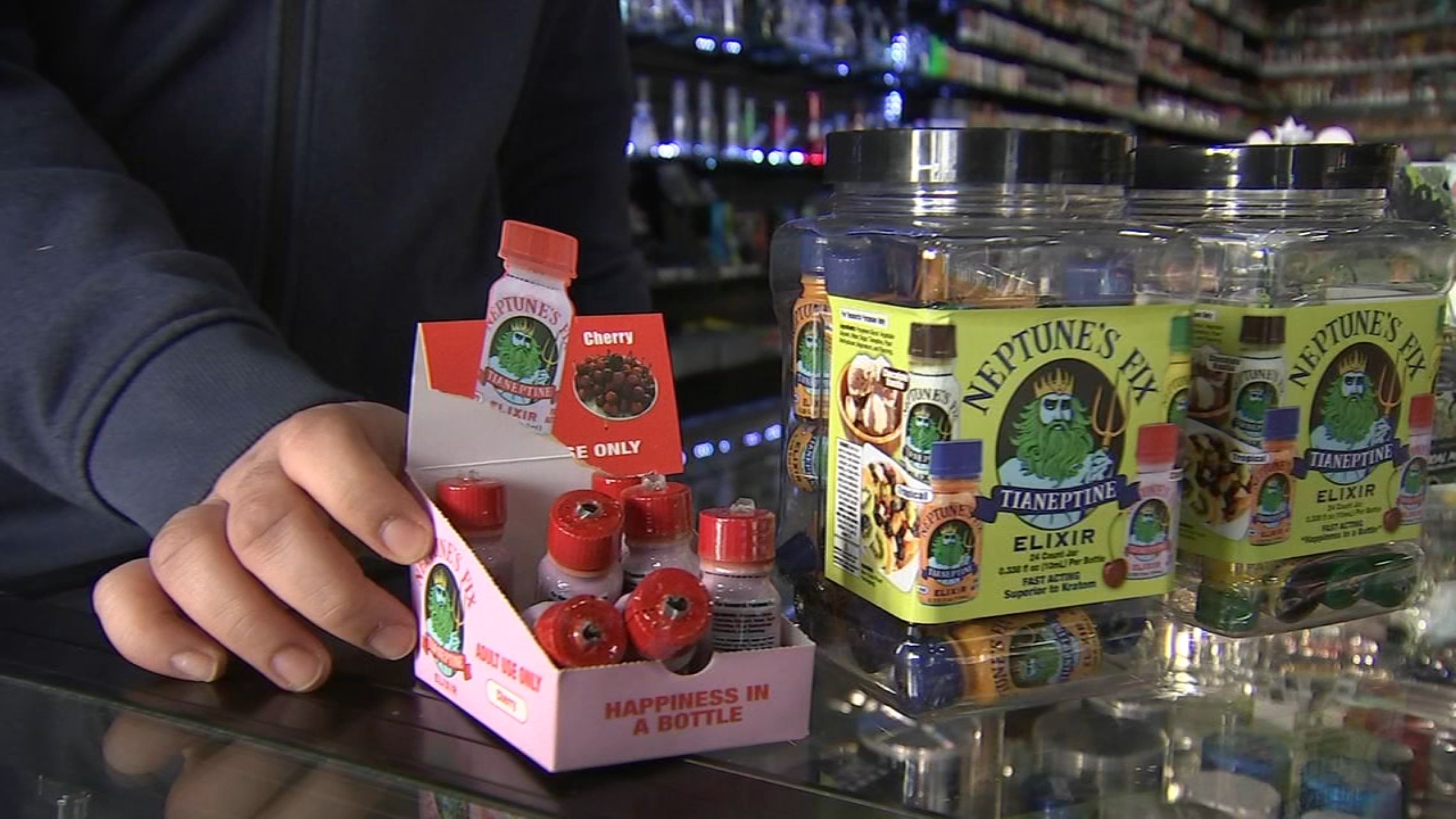
Risks and Dangers
- Addiction potential: Because it is an opioid agonist, it attaches to opioid receptors, repeated use can quickly lead to dependency.
- Withdrawal: Stopping suddenly may cause severe withdrawal symptoms, similar to opioids.
- Overdose risk: High doses can lead to drowsiness, confusion, slowed breathing, and even coma.
- Mixing with other substances: Combining tianeptine with alcohol, opioids, or sedatives can be especially dangerous.
Emergency rooms in several states, including Florida, have reported rising cases of tianeptine overdoses and withdrawals.
Legal Status and Crackdowns
- The FDA has issued warnings about tianeptine, calling it unsafe and unapproved.
- Several states, including Florida, Alabama, and Michigan, have moved to ban or restrict its sale.
- Enforcement can be inconsistent—some stores quietly remove it, while others continue selling until a crackdown occurs.
Many users first buy tianeptine because it’s marketed as a mood and focus enhancer, a kind of legal high.” Others struggling with mental health or addiction may see it as an alternative to prescription pain medication or street fentanyl. But the risks often outweigh the promises.
Statewide Legal & Regulatory Action Timeline
These affect Collier and Lee because state laws and inspections apply everywhere in Florida.
- In Fall 2023, Florida Attorney General Ashley Moody filed an emergency rule that placed tianeptine on Florida’s Schedule I list of controlled substances—making it illegal to buy, sell, or possess tianeptine in the state.
- Also, Florida passed legislation (SB 1512 / H1595) that formally added tianeptine to the list of Schedule I controlled substances, with the law taking effect July 1, 2024.
- The Florida Department of Agriculture and Consumer Services (FDACS) has been doing enforcement sweeps, issuing stop-sale orders, seizing tianeptine products, raw ingredients, and destroying them.
Bottom Line
Tianeptine may be marketed as a harmless supplement, but its opioid-like effects can be just as dangerous as heroin or prescription painkillers. While the supplement has been recalled by manufacturers, law enforcement cannot keep up with crackdown on small stores, bodegas, or vape shops. The nickname “gas station heroin” is a reminder that just because something is sold legally in a store doesn’t mean it’s safe.
About Celadon Recovery
Celadon is comprehensive addiction and mental health treatment center located along the shores of the Caloosahatchee River in Fort Myers, Florida. With a full-continuum of care including detox, residential, and outpatient programs, we are committed to quality substance use and co-occurring disorder care. Call us today at 239-266-2141.
