
Detox is often the first step in recovery from substance use disorder. However, in recent years, less than 7% of Americans with addiction problems get help. Most people are afraid to stop for fear of withdrawal symptoms. For this reason, most residential detox programs utilize advanced pharmacology to ease the way into recovery. During medical detox, the body clears drugs or alcohol, which can trigger uncomfortable — and sometimes dangerous — withdrawal symptoms. To make the process safer and more manageable, doctors utilize specific medications that reduce cravings, ease withdrawal, and stabilize the nervous system.
Alcohol Detox Medications
- Benzodiazepines (e.g., diazepam, lorazepam): Calm the nervous system, lowering the risk of seizures and severe agitation during alcohol withdrawal.
- Naltrexone: Blocks the rewarding effects of alcohol and reduces cravings.
- Acamprosate: Helps restore brain balance after long-term alcohol use, easing anxiety and insomnia.
- Disulfiram: Causes an unpleasant reaction if alcohol is consumed, discouraging relapse.
Opioid Detox Medications
- Methadone: A long-acting opioid that reduces withdrawal symptoms and cravings without the intense high of heroin or fentanyl.
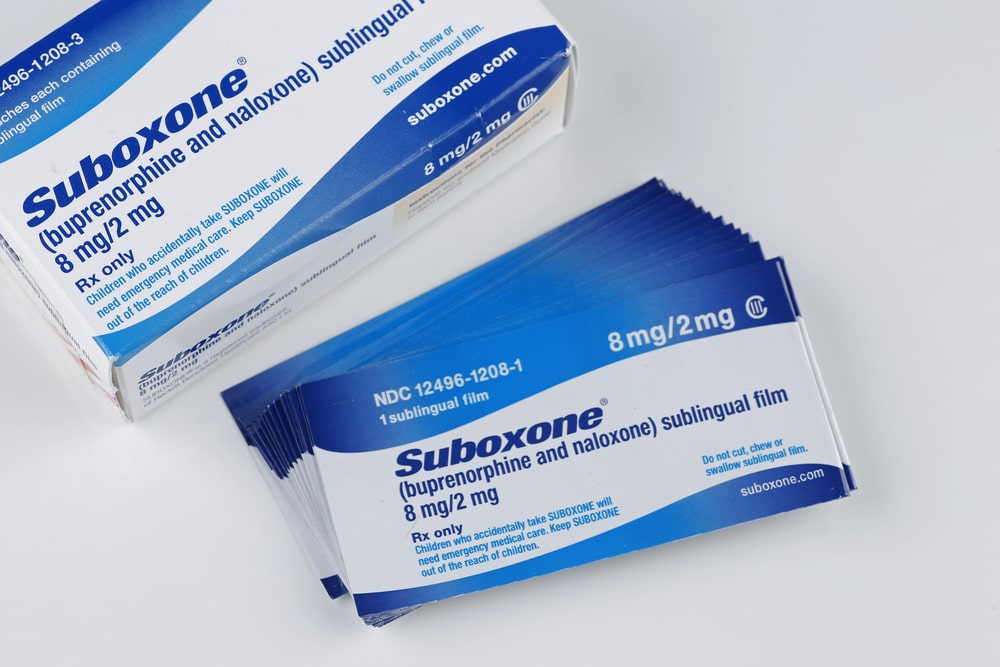
- Buprenorphine: A partial opioid agonist that eases withdrawal and cravings while lowering overdose risk.
- Clonidine: Non-opioid medication that helps reduce sweating, anxiety, muscle aches, and agitation.
- Naltrexone: Block’s opioid receptors, preventing the euphoric effects of opioids after detox.
Benzodiazepine Detox Medications
- Tapering with longer-acting benzodiazepines (e.g., diazepam): Doctors often slowly reduce dosage over time to avoid severe withdrawal symptoms like seizures.
- Anticonvulsants (e.g., carbamazepine, valproate): Sometimes used to lower seizure risk during withdrawal.
Stimulant Detox Medications
There are no FDA-approved medications specifically for stimulant detox (such as cocaine or methamphetamine). Treatment usually focuses on supportive care, but some doctors may use adjacent “comfort medicines such as:
- Antidepressants: To help with depression and fatigue.
- Antipsychotics: For severe agitation or hallucinations.
- Modafinil: Sometimes prescribed off-label to ease fatigue and improve focus.
The Importance of Medically Supervised Detox
Detoxing without medical supervision can be dangerous — and, in some cases, life-threatening. Alcohol and benzodiazepine withdrawal can cause seizures, hallucinations, or severe blood pressure spikes. Opioid withdrawal, while usually not fatal, can be extremely painful and may lead to relapse. A medically supervised detox provides:
- Safety: Doctors monitor vital signs and adjust medications to prevent complications.
- Comfort: Medications reduce discomfort, making it easier to complete detox.
- Support: Medical staff can intervene quickly in emergencies and provide reassurance throughout the process.
- Better outcomes: People who undergo supervised detox are more likely to continue into treatment programs and long-term recovery.
Why Medication-Assisted Detox Matters
Medical detox reduces the dangers of withdrawal and increases the chances of successful recovery. Medications are not cures by themselves, but they provide a safer and more stable starting point for long-term treatment, counseling, and support.
About Celadon Recovery
Celadon is comprehensive addiction and mental health treatment center located along the shores of the Caloosahatchee River in Fort Myers, Florida. With a full-continuum of care including detox, residential, and outpatient programs, we are committed to quality substance use and co-occurring disorder care. Call us today at 239-266-2141.
