
Drug abuse is often thought of as an issue among younger generations, but it is increasingly a concern among older adults. Seniors face unique risk factors, health challenges, and social circumstances that can make them more vulnerable to substance misuse. In a 2022 report, 28% of 2.2 million Americans aged 50 and up experienced prescription drug abuse.
Understanding the causes, signs, and impacts of drug abuse in older adults is key to providing effective prevention and support.
Why Seniors Are at Risk
Several factors contribute to the growing problem of drug misuse among older adults:
- Prescription Medications: Seniors are more likely to be prescribed medications for chronic pain, anxiety, or sleep disorders. Opioids, benzodiazepines, and sleep aids can lead to dependence when used long-term or improperly.
- Chronic Pain and Illness: Ongoing health problems can drive seniors to misuse medications in an attempt to manage discomfort.
- Mental Health Challenges: Depression, anxiety, and grief—often linked to isolation, retirement, or the loss of loved ones—can increase the likelihood of turning to substances.
- Social Isolation: Loneliness is a significant risk factor for drug misuse, especially when combined with reduced community or family support.
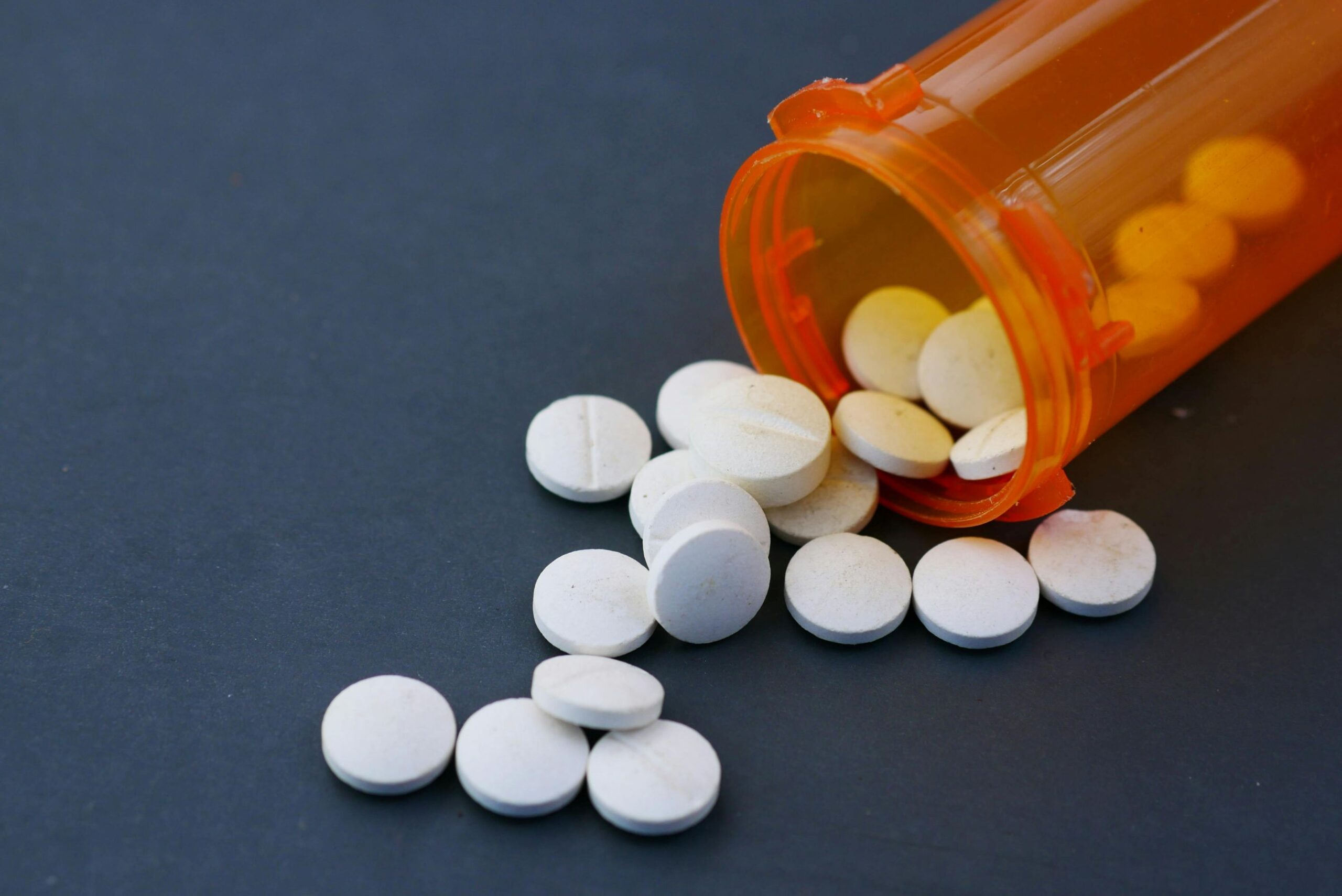
Commonly Misused Substances Among Seniors
- Prescription opioids (such as oxycodone or hydrocodone)
- Benzodiazepines (like Xanax, Valium, or Ativan)
- Alcohol (still the most frequently misused substance among older adults)
- Over-the-counter medications (such as sleep aids or cough syrups that contain alcohol or sedatives)
Warning Signs of Drug Abuse in Seniors
Recognizing drug abuse in older adults can be challenging since many symptoms overlap with normal aging. Warning signs may include:
- Unexplained confusion or memory issues
- Frequent falls or balance problems
- Withdrawal from social activities
- Doctor shopping or requesting early refills
- Changes in sleep or appetite
- Irritability, depression, or mood swings
Health Consequences
Drug abuse in seniors is particularly dangerous due to age-related changes in metabolism and increased sensitivity to medications. Risks include:
- Higher likelihood of overdose due to slower drug clearance
- Dangerous drug interactions with multiple prescriptions
- Worsening of existing health conditions such as heart disease or diabetes
- Increased risk of accidents, such as falls or car crashes
Approaches to Prevention and Treatment
- Regular Medication Reviews: Healthcare providers should review prescriptions frequently to reduce unnecessary or overlapping medications.
- Education and Awareness: Seniors and their families should understand the risks of drug misuse and how to use medications safely.
- Support Systems: Community programs, peer support groups, and counseling can help reduce isolation and promote healthier coping strategies.
- Specialized Treatment: Addiction treatment programs tailored for seniors can address both physical health and emotional well-being.
Moving Forward
Senior drug abuse is a growing but often overlooked problem. By raising awareness, promoting responsible prescribing, and supporting older adults through social and mental health resources, families and communities can help prevent substance misuse in later life. Recognizing that addiction does not discriminate by age is the first step in providing compassionate care and effective solutions for older adults.
About Celadon Recovery
Celadon is comprehensive addiction and mental health treatment center located along the shores of the Caloosahatchee River in Fort Myers, Florida. With a full-continuum of care including detox, residential, and outpatient programs, we are committed to quality substance use and co-occurring disorder care. Call us today at 239-266-2141.
