
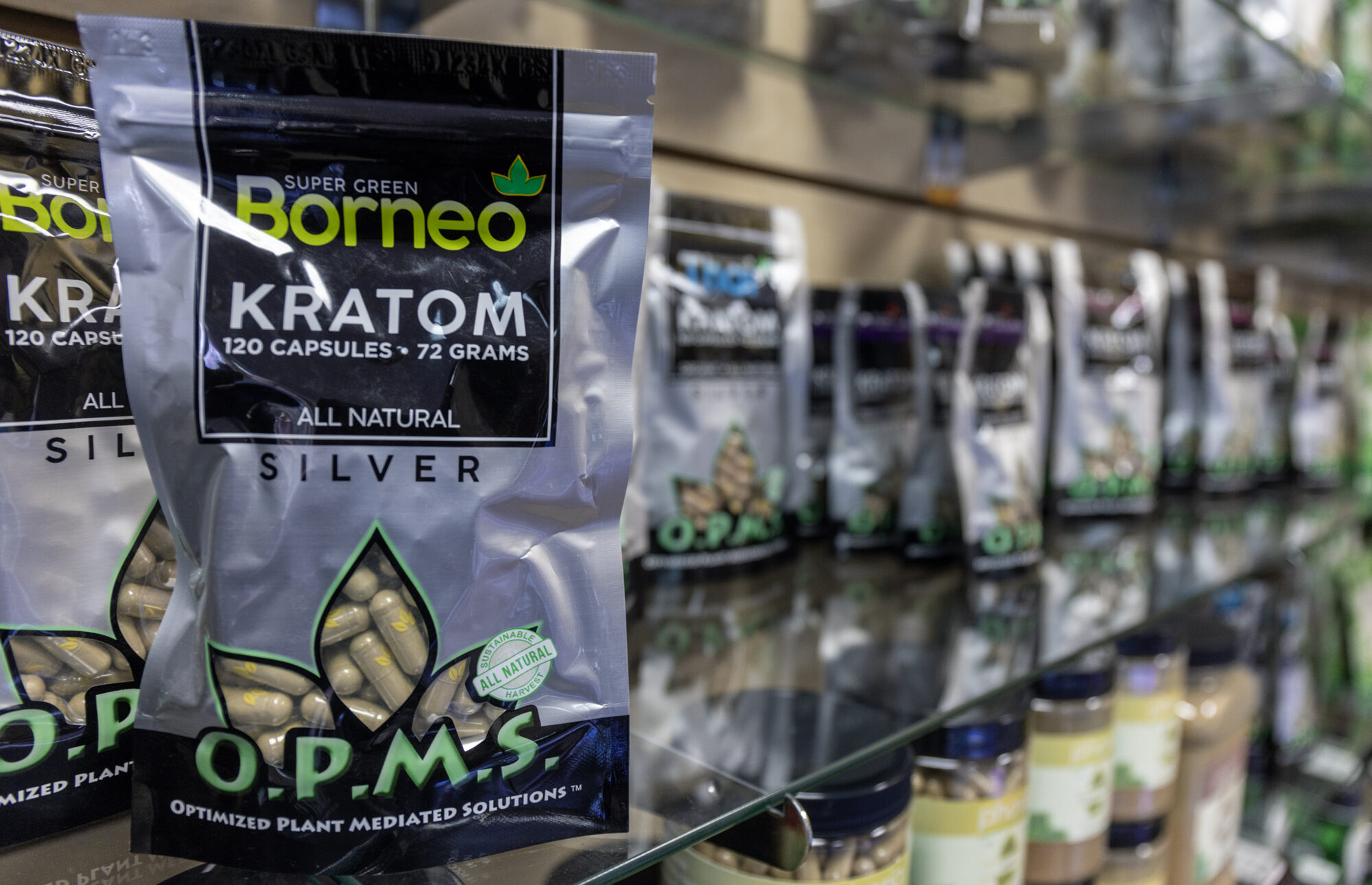
Kratom, a plant native to Southeast Asia, has gained significant popularity in the United States in recent years. Often sold as a natural supplement, it is used for pain relief, mood enhancement, and in some cases, as an alternative to opioids. While some people swear by its benefits, kratom remains controversial due to concerns about addiction, safety, and lack of regulation. In fact, about 2 million Americans (and growing) are using Kratom or Kratom extracts, according to the FDA. In Florida, the state recently banned the 7-OH kratom extract in August 2025.
Kratom Use and Potential Benefits
Many people turn to kratom for reasons such as:
- Pain management – Some users find it helpful for chronic pain conditions.
- Opioid withdrawal relief – Kratom may ease symptoms like anxiety, nausea, and cravings.
- Mood and energy – Low doses are often reported to boost mood and focus.
However, these effects have not been thoroughly studied, and the FDA has not approved kratom for any medical use.
Addiction and Risks
While marketed as “natural” and “safe,” kratom can lead to dependence and withdrawal symptoms similar to opioids. It is a psychoactive substance! Reported signs of kratom addiction include:
- Cravings and increased tolerance
- Irritability, anxiety, or depression when not using
- Nausea, sweating, or muscle aches during withdrawal
Long-term use may also carry risks such as liver damage, seizures, and—in rare cases—overdose, especially when combined with other substances.
Kratom Regulation in the U.S.
Kratom’s legal status is complex and varies by state. Federally, it is not classified as a controlled substance, but the FDA and DEA have raised concerns about its safety. Some states and municipalities have banned kratom sales, while others regulate it through labeling requirements and quality standards.
Organizations like the American Kratom Association advocate for consumer protections, including age restrictions and lab testing to prevent contamination. Still, because kratom remains largely unregulated, products on the market can vary widely in strength and purity.
7-Hydroxymitragynine (7-OH) and Regulation
7-hydroxymitragynine is a naturally occurring alkaloid in kratom, though present only in trace amounts in the raw plant. It is a powerful partial opioid agonist—much stronger than mitragynine, the primary alkaloid. Some studies suggest 7-OH is largely responsible for kratom’s pain-relieving and addictive potential.
Recent States Banning 7 OH Extract
- Florida: In August 2025, the Sunshine State issued an emergency rule to classify concentrated 7-OH as a Schedule I controlled substance.
- Colorado: A law effective in July 2024 limits the concentration of 7-OH in kratom products and bans synthetic or semi-synthetic versions.
- Mississippi: Legislation that took effect in July 2025 bans synthetic kratom extracts and products with high concentrations of 7-OH.
- Texas: Stringent regulations, which took effect in September 2025, include a ban on synthetic kratom and a low concentration limit for 7-OH.
Future of Kratom
The debate over kratom reflects a larger tension between personal freedom, harm reduction, and public health. While some argue it provides a safer alternative to opioids, others highlight the risks of addiction and misuse. More scientific research is urgently needed to clarify kratom’s long-term health effects and potential medical applications.
For now, consumers should exercise caution, buy only from reputable sources, and be aware of the risks of dependence. Anyone struggling with kratom misuse should seek professional help, as evidence-based addiction treatment programs can provide support and recovery options.
About Celadon Recovery
Celadon is comprehensive addiction and mental health treatment center located along the shores of the Caloosahatchee River in Fort Myers, Florida. With a full-continuum of care including detox, residential, and outpatient programs, we are committed to quality substance use and co-occurring disorder care. Call us today at 239-266-2141.
