
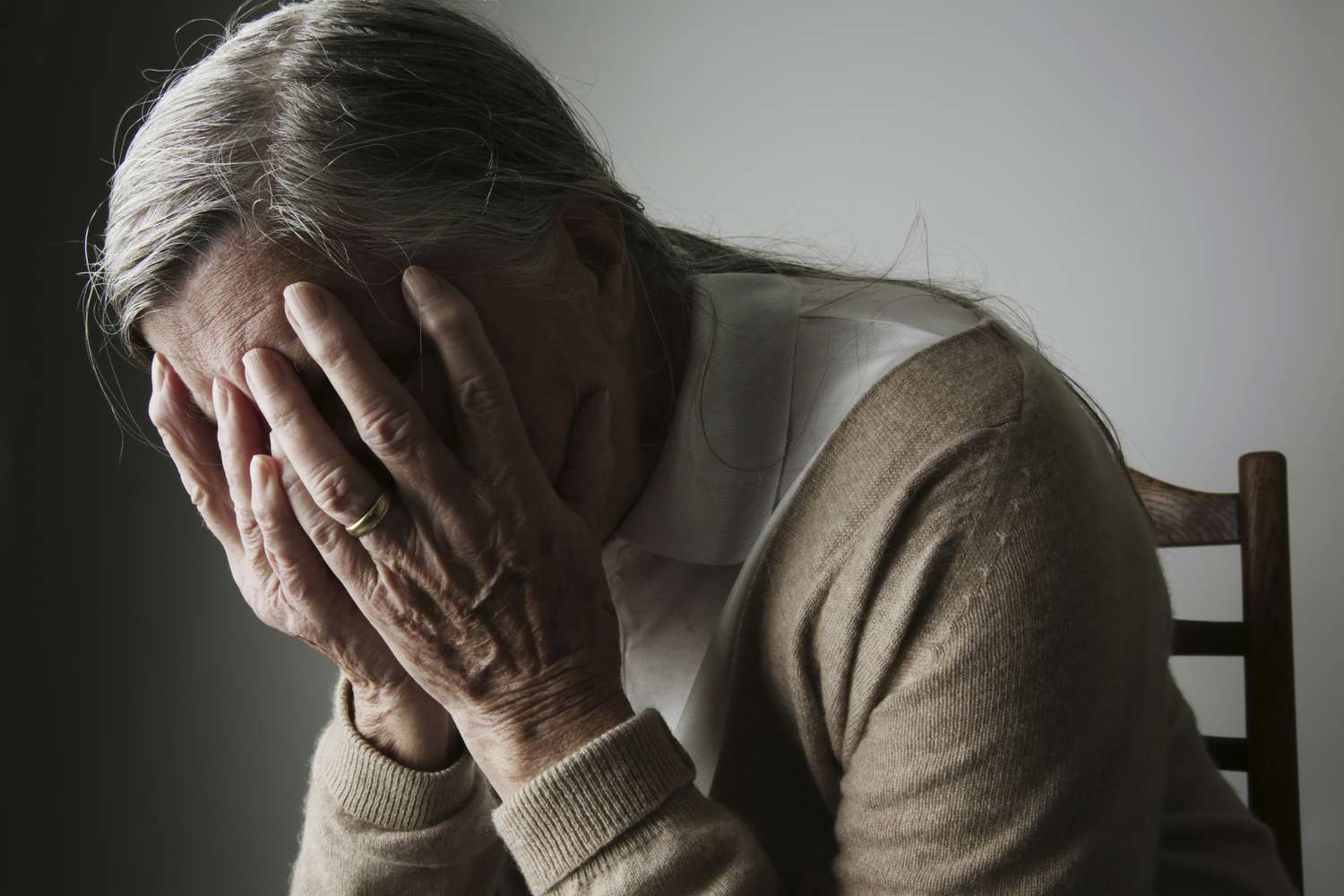
Grief is one of the hardest parts of being human. Whether it’s the loss of a loved one, the end of a relationship, or a major life change, grief can feel overwhelming and all-consuming. But while grief can affect your mental health in powerful ways, it is not considered a mental health disorder. According to Psychiatry.org,” An individual with prolonged grief disorder (PGD) may experience intense longing for the person who has died and/or feelings of being preoccupied by thoughts of the death of that person.” While grief is a natural response to loss—an emotional process that looks different for everyone. However, it can intensify into depression, especially with isolation circumstances.
Grief vs. Mental Health Disorders
Because grief can bring sadness, fatigue, changes in appetite, and difficulty concentrating, many people wonder if it qualifies as a mental illness. The important distinction is that grief is usually tied directly to a specific loss, while mental health disorders often affect all areas of life, regardless of circumstances.
For example:
- Grief often comes in waves. Certain memories, dates, or reminders may trigger strong emotions, but moments of relief, laughter, or connection can still break through.
- Depression, on the other hand, is more persistent and tends to create an ongoing sense of emptiness, hopelessness, or lack of joy, even when nothing in particular triggers those feelings.
Both experiences are real and painful, but they are not the same.
When Grief Becomes Complicated
For most people, grief becomes easier to manage with time, even if the loss is never forgotten. However, sometimes grief remains so strong that it prevents a person from moving forward.
Some signs of complicated grief may include:
- Intense longing for the person or situation that was lost
- Difficulty accepting the loss, even many months later
- Avoiding reminders of the loss or feeling stuck in the past
- Struggles with work, relationships, or everyday functioning
In these cases, grief may overlap with or lead to other mental health challenges, such as depression, anxiety, or post-traumatic stress.
How to Cope with Grief in a Healthy Way
Even though grief itself isn’t a disorder, it can take a major toll on emotional and physical health. Taking steps to care for yourself during the grieving process can make the journey a little lighter:
- Reach out for support – Talking with trusted friends, family, or support groups can help you feel less isolated.
- Consider counseling – Grief therapists can provide tools and guidance for processing emotions.
- Stick to healthy routines – Sleep, nutrition, and physical activity are small but powerful ways to protect your mental well-being.
- Give yourself grace – Healing has no set timeline. Some days will be harder than others, and that’s part of the process.
When to Seek Professional Help
It’s important to know when grief may need more than time and self-care. If your grief feels unrelenting, keeps you from functioning in daily life, or is accompanied by thoughts of self-harm, reaching out to a mental health professional is crucial. You do not have to go through grief alone, and seeking help is a sign of strength, not weakness.
Grief is not a mental health disorder—it’s a natural, though often painful, response to loss. Still, grief can deeply affect your emotional and physical health. If it becomes overwhelming or prolonged, professional support can help you move through the pain and begin to heal. Everyone’s grief journey is unique, but with compassion, time, and the right support, it is possible to find peace while honoring what has been lost.
About Celadon Recovery
Celadon is comprehensive addiction and mental health treatment center located along the shores of the Caloosahatchee River in Fort Myers, Florida. With a full-continuum of care including detox, residential, and outpatient programs, we are committed to quality substance use and co-occurring disorder care. Call us today at 239-266-2141.
